Collecting inspiring examples
#1: TER BORCH
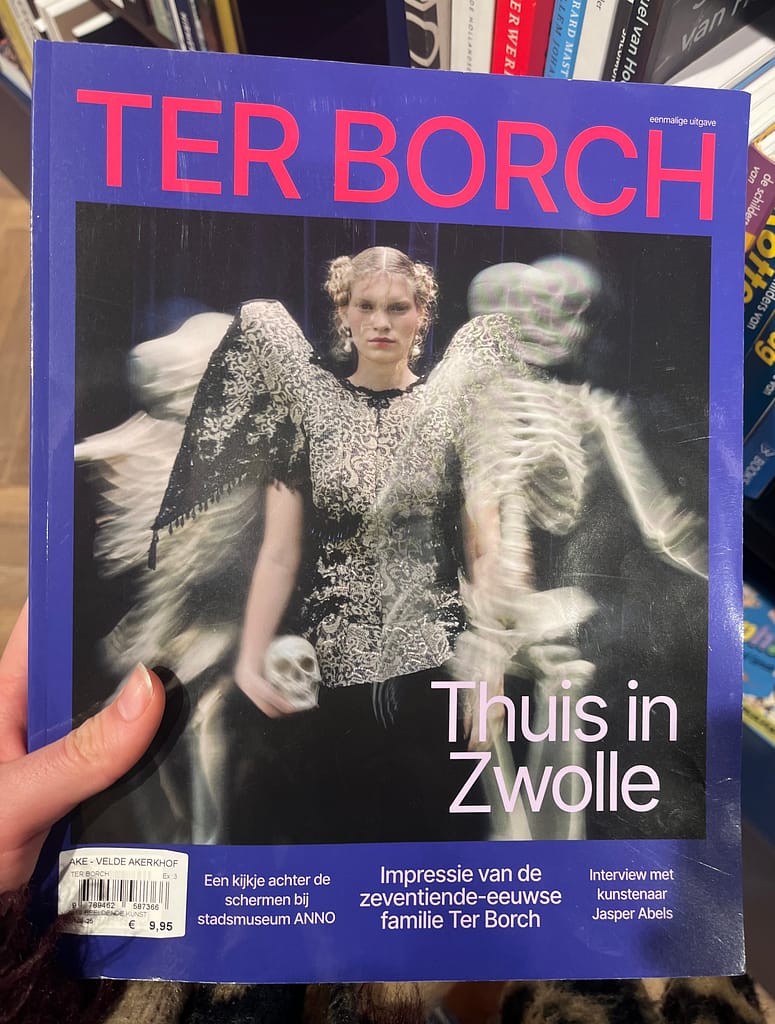
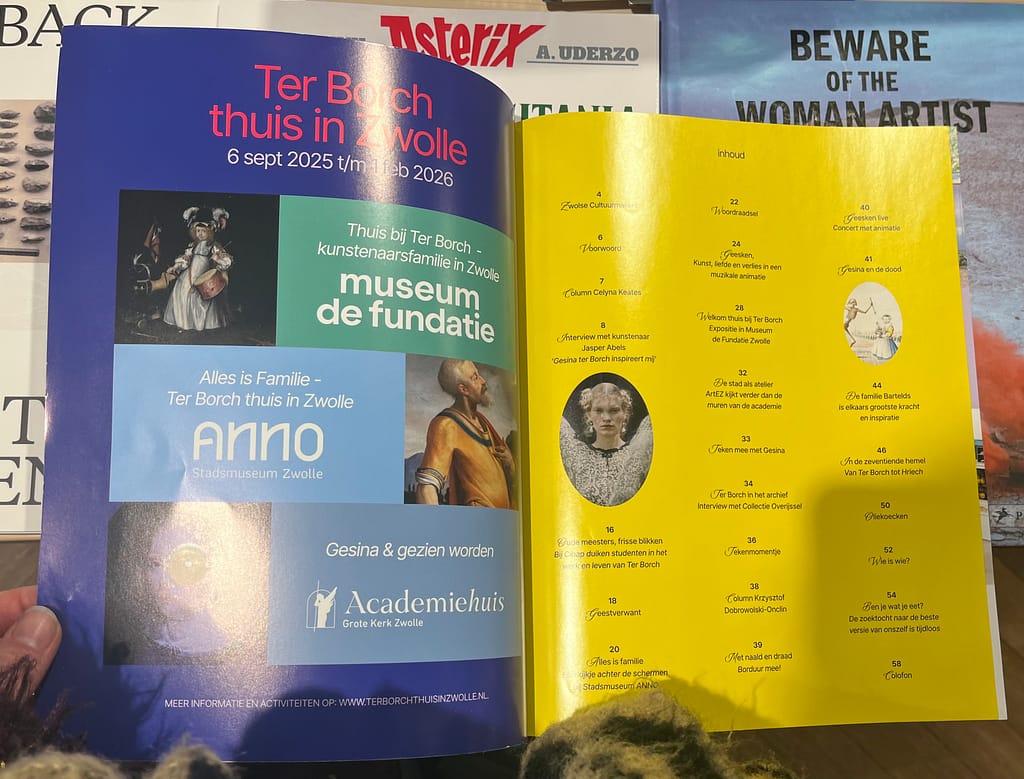
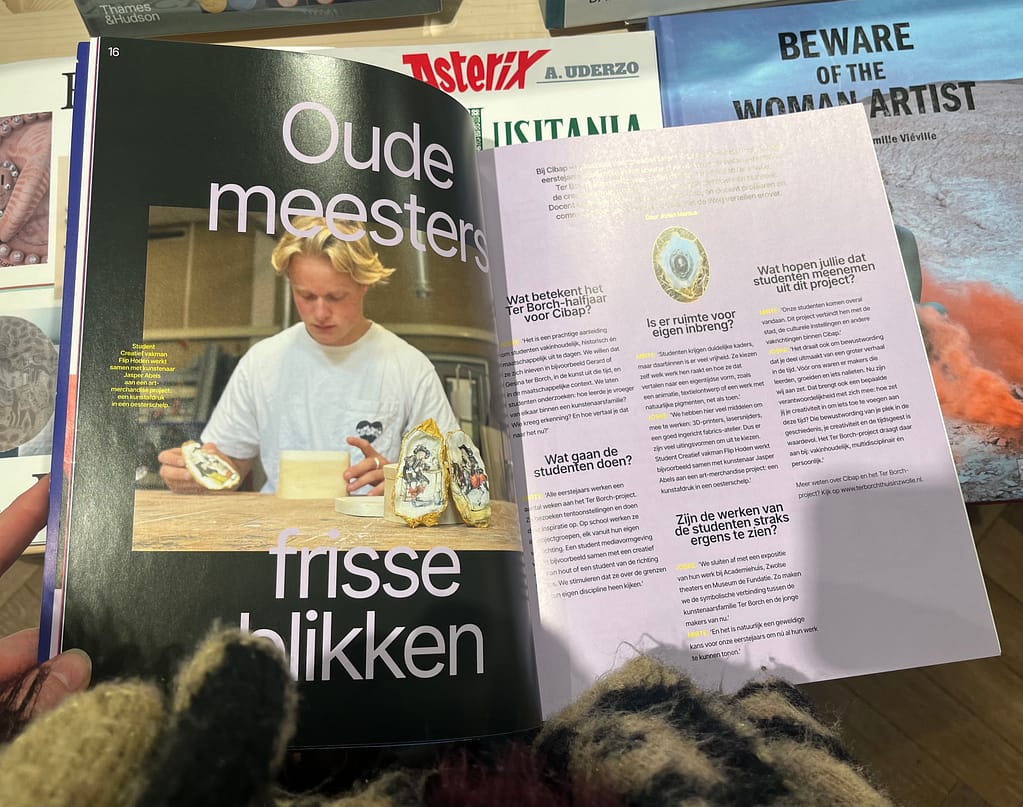
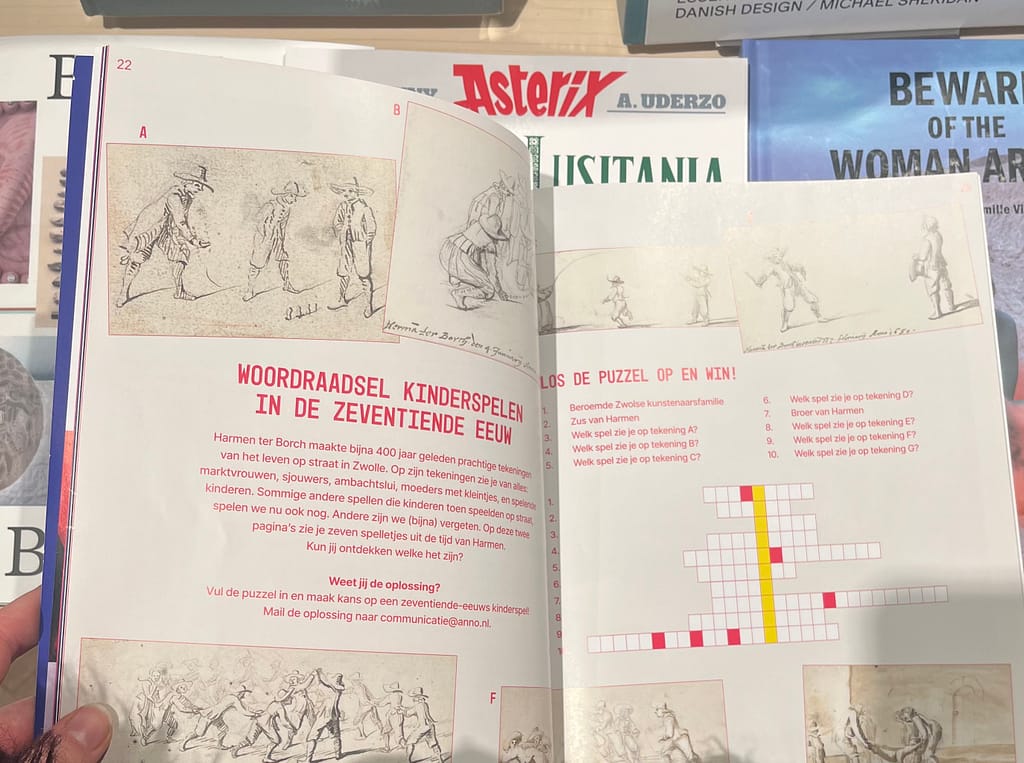
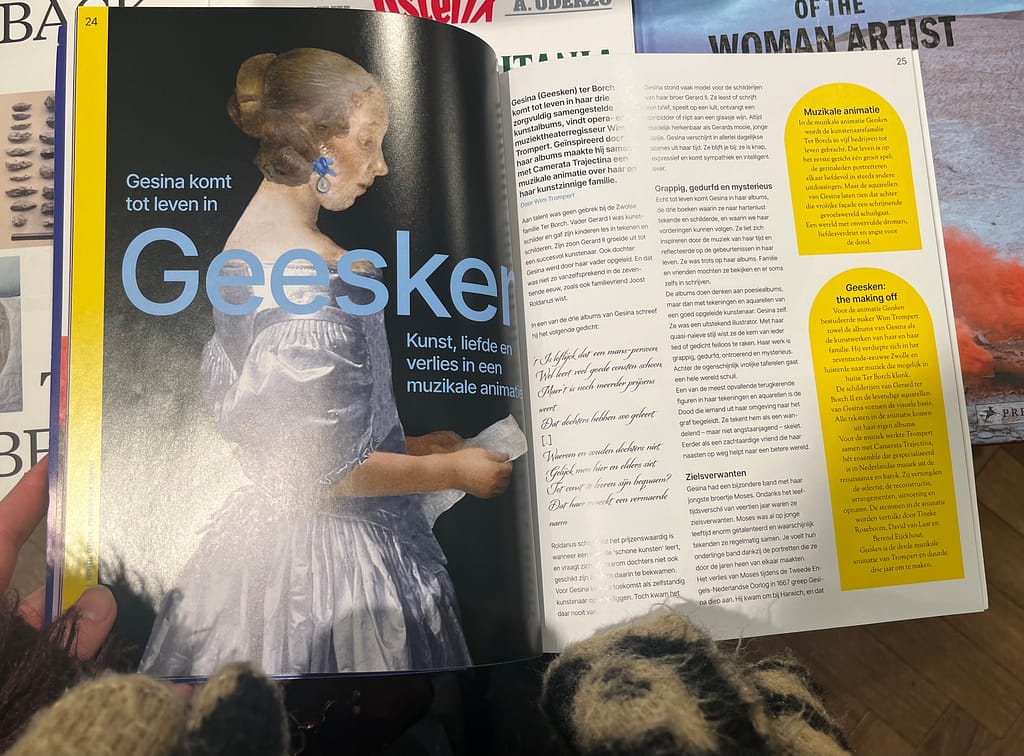
“I went to the bookstore to hunt for some editorial design inspiration and ended up finding a really interesting magazine about the Ter Borch family and their history in Zwolle. What first grabbed my attention was the cover; the typography has a great sense of depth against the background. I really like the use of high-contrast colors, especially how the vibrant tones pop against the darker palette. It also had an interactive quiz for storytelling, which I thought was a clever way to keep the reader engaged.
#2: STEMPELKUNST
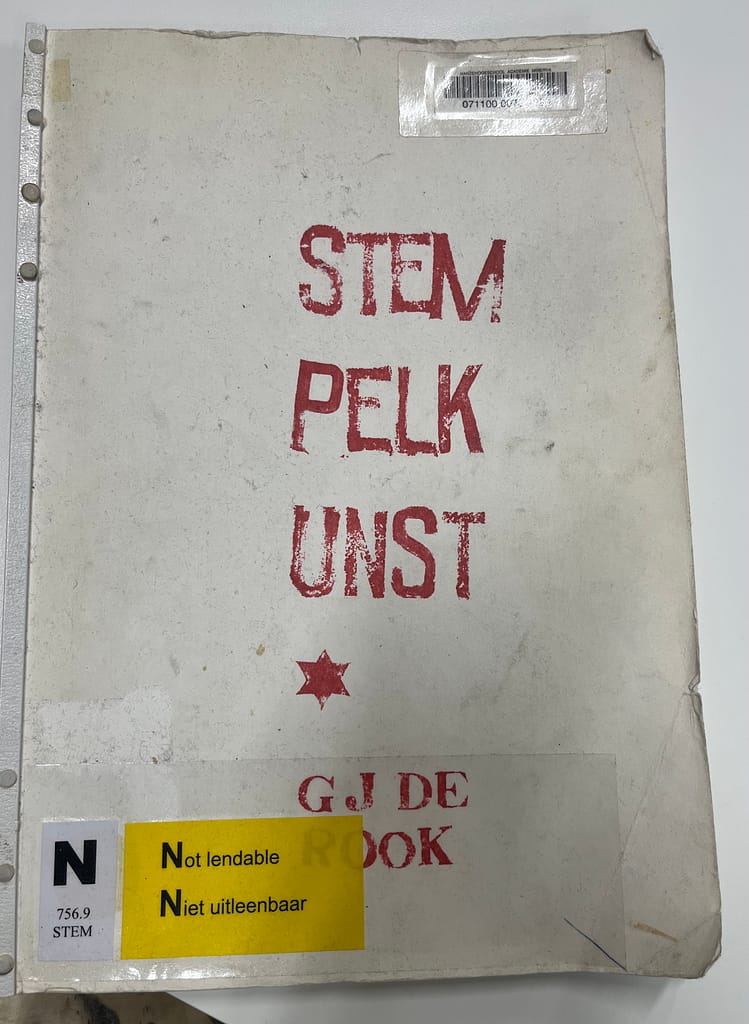
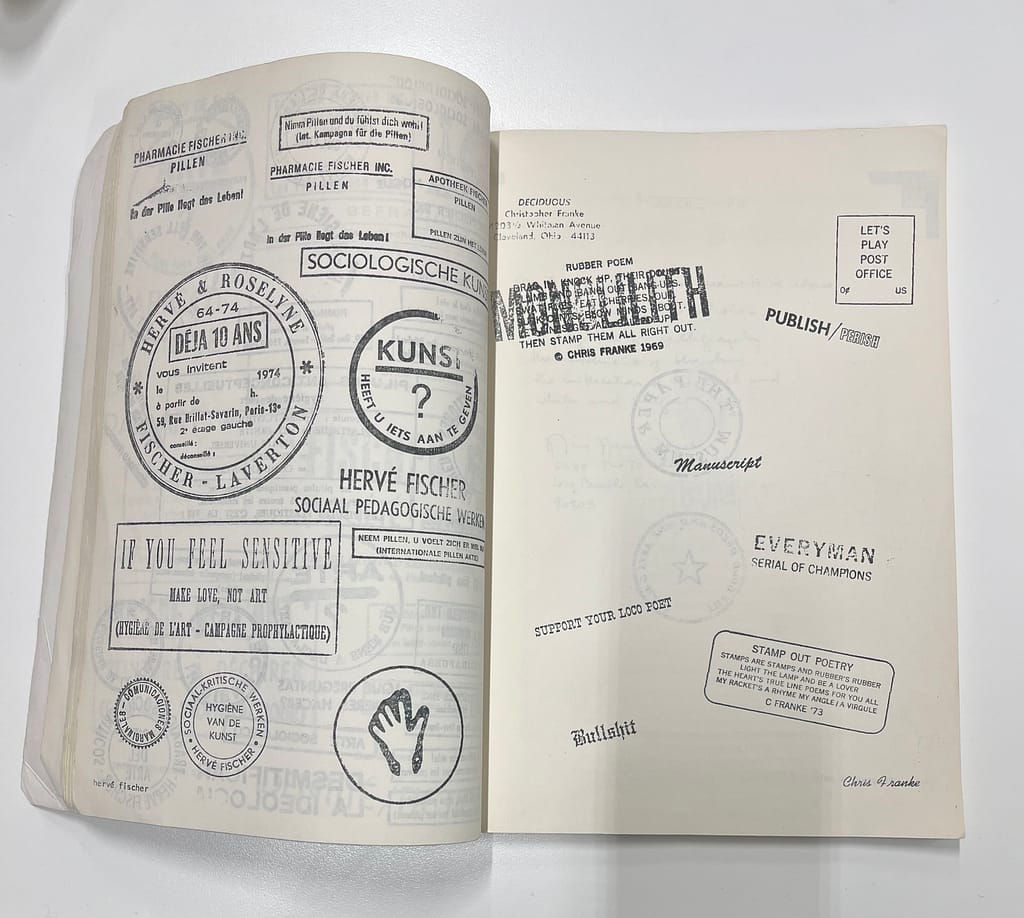
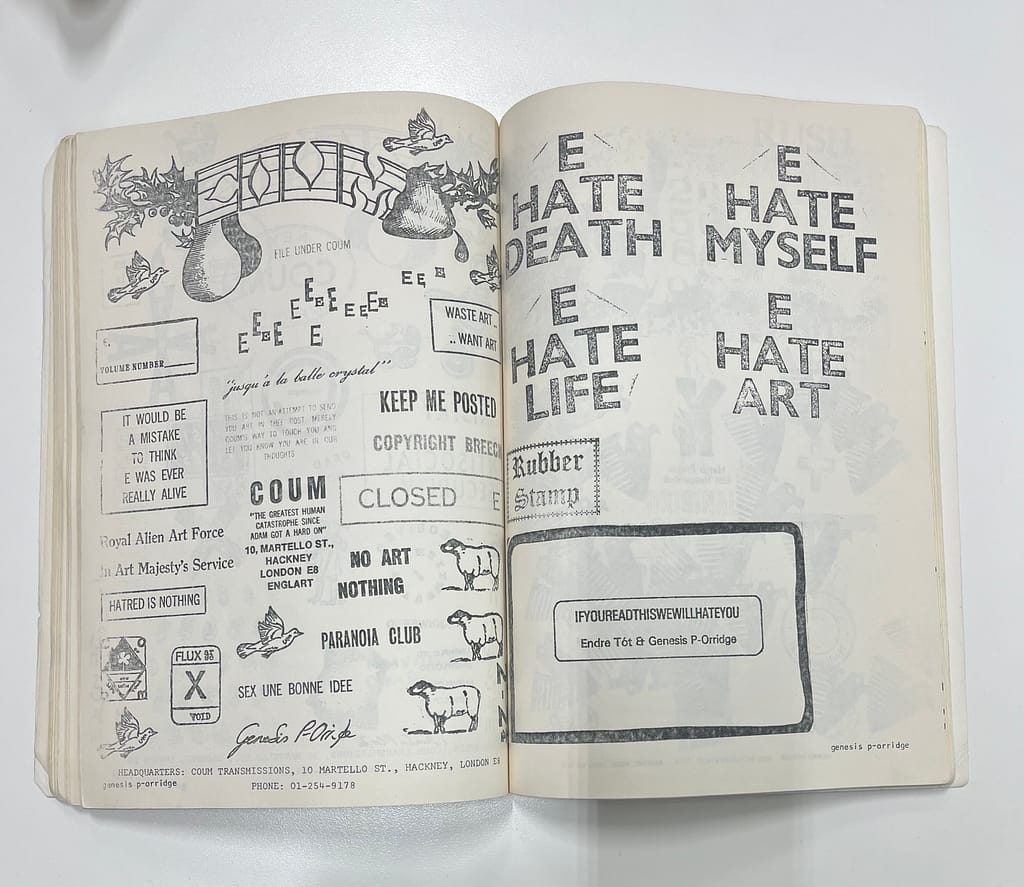
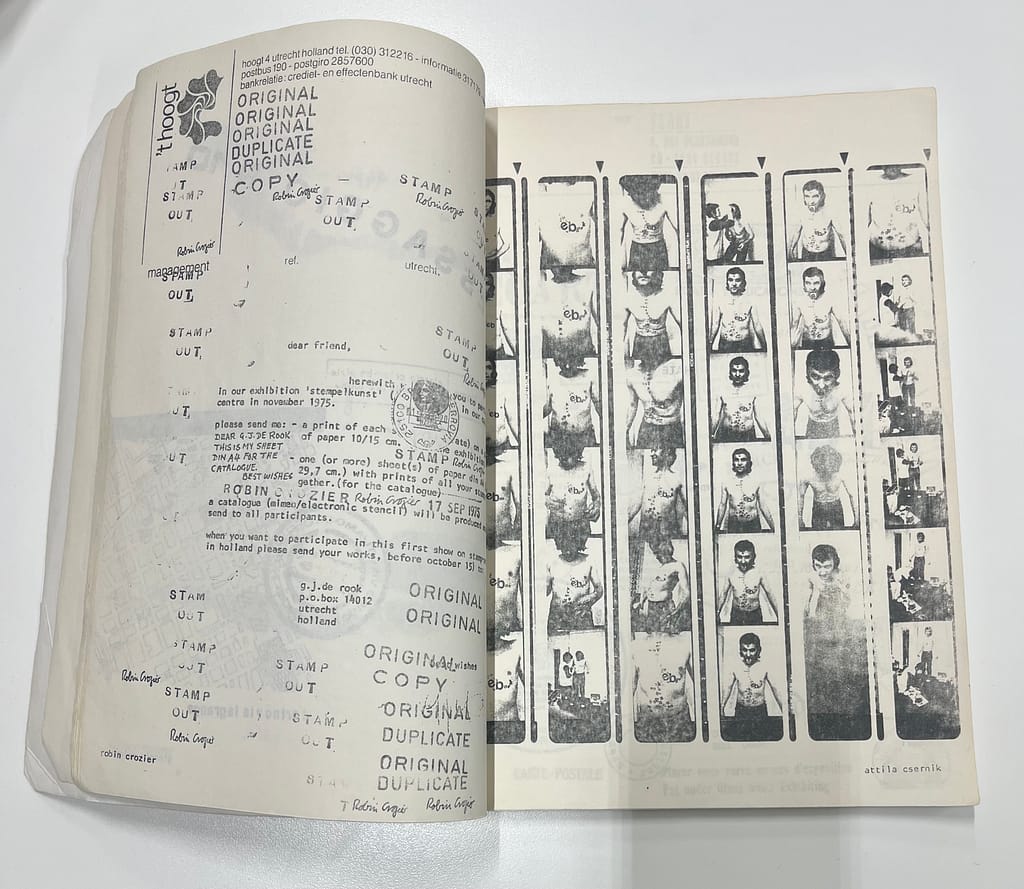
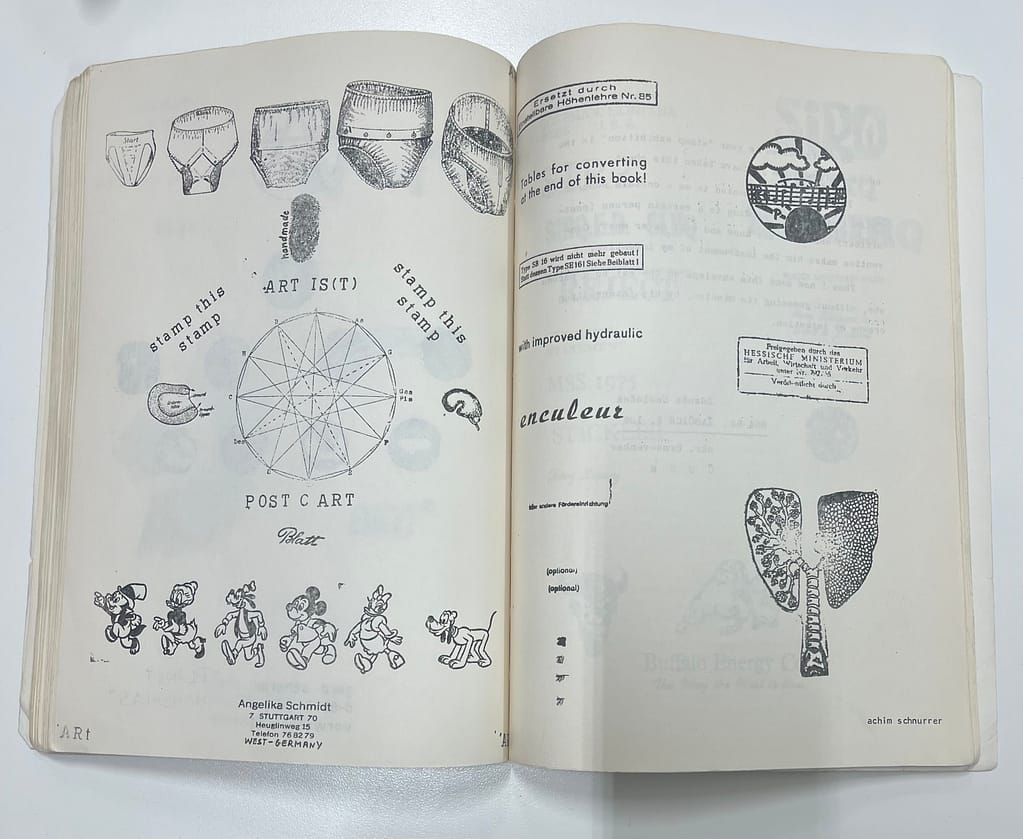
In the library I came across this book. It’s not exactly a magazine, but it has a similar weight and feel. I was first drawn to it because the title was actually a bit hard to read, which really piqued my curiosity. Once I opened it, I was amazed by the content; it’s entirely filled with stamps, and I find it so inspiring how the layouts stay diverse even though the subject matter is consistent.
#3: VOGUE (but mainly the old ones)
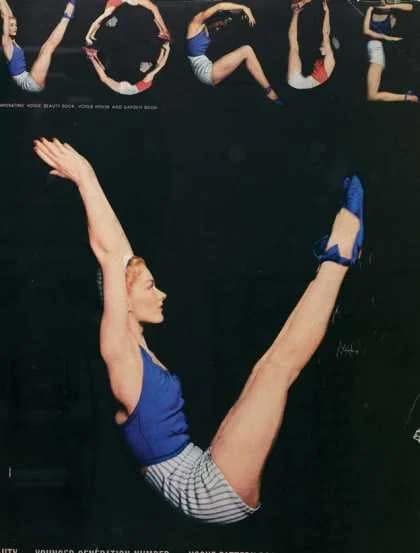
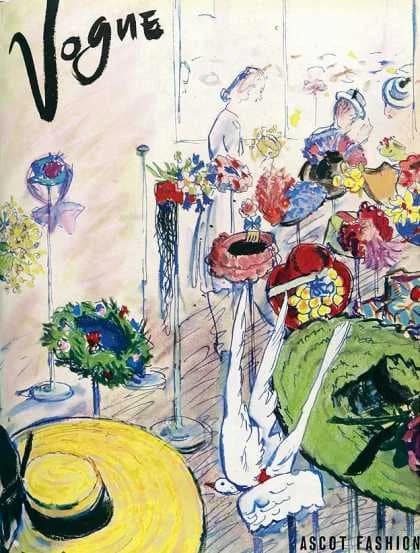
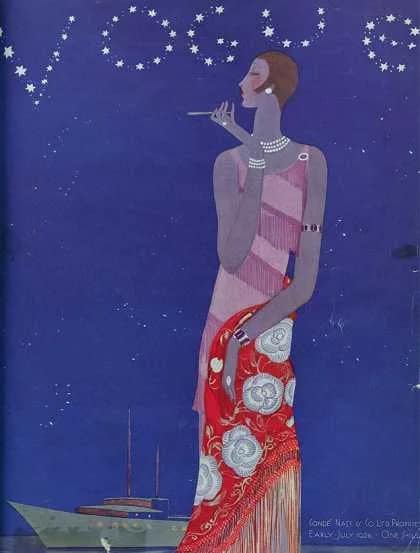
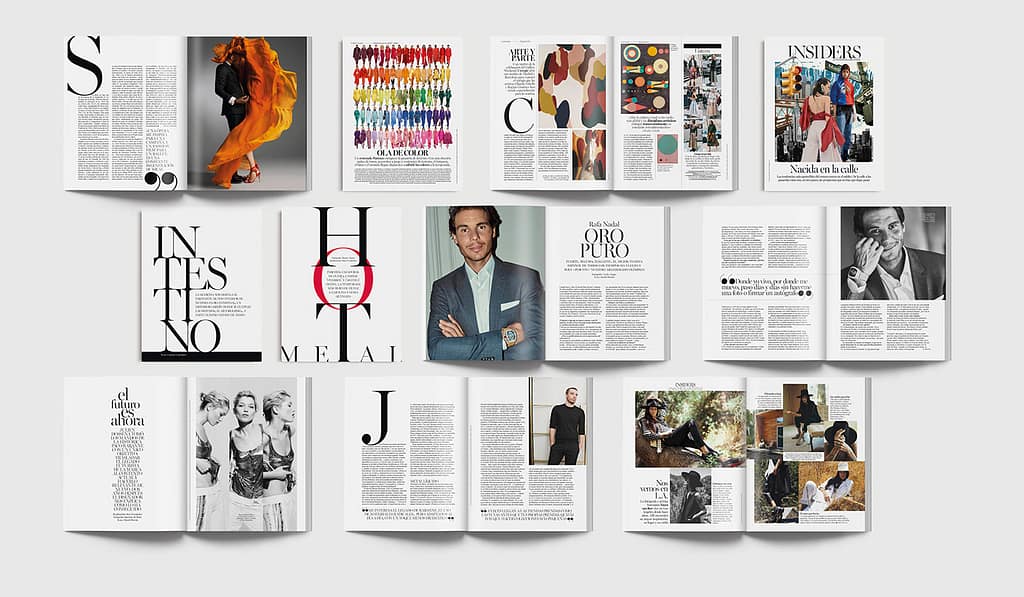
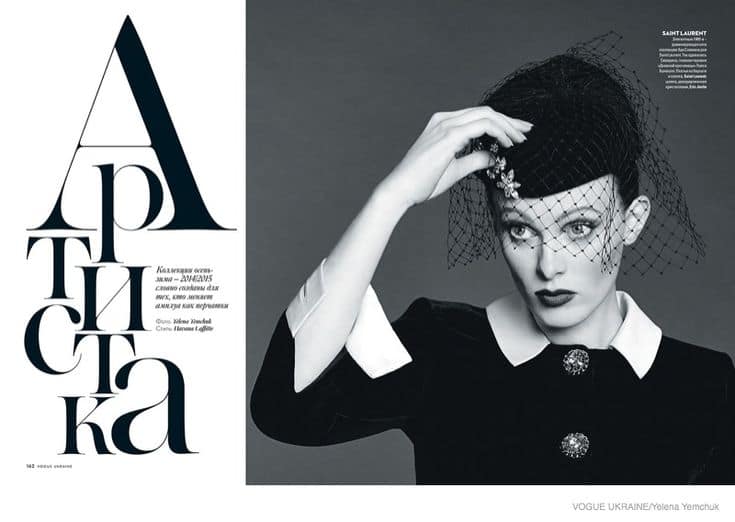
I love Vogue, especially the older editions. It’s fascinating to see how their cover designs have transitioned over the years. People usually think of Vogue as just a photo of a woman on a cover, but the older covers are actually so much more playful and diverse than you’d expect. These older styles really show how much room there is for experimentation in editorial design.
#4: form
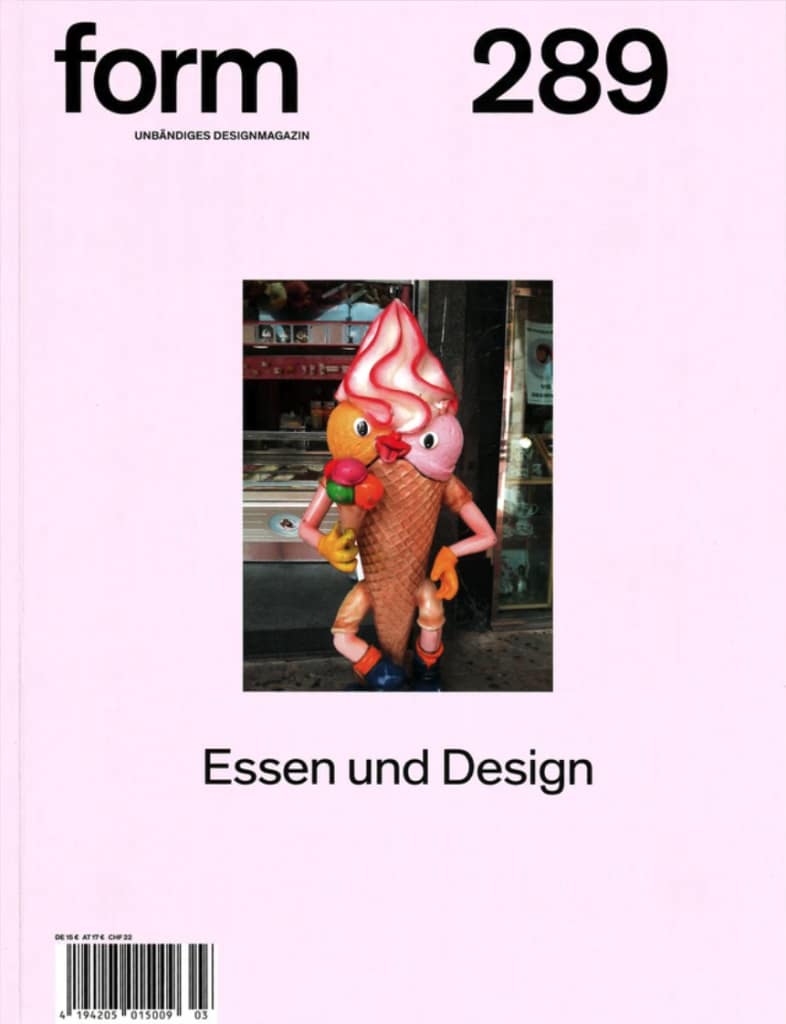
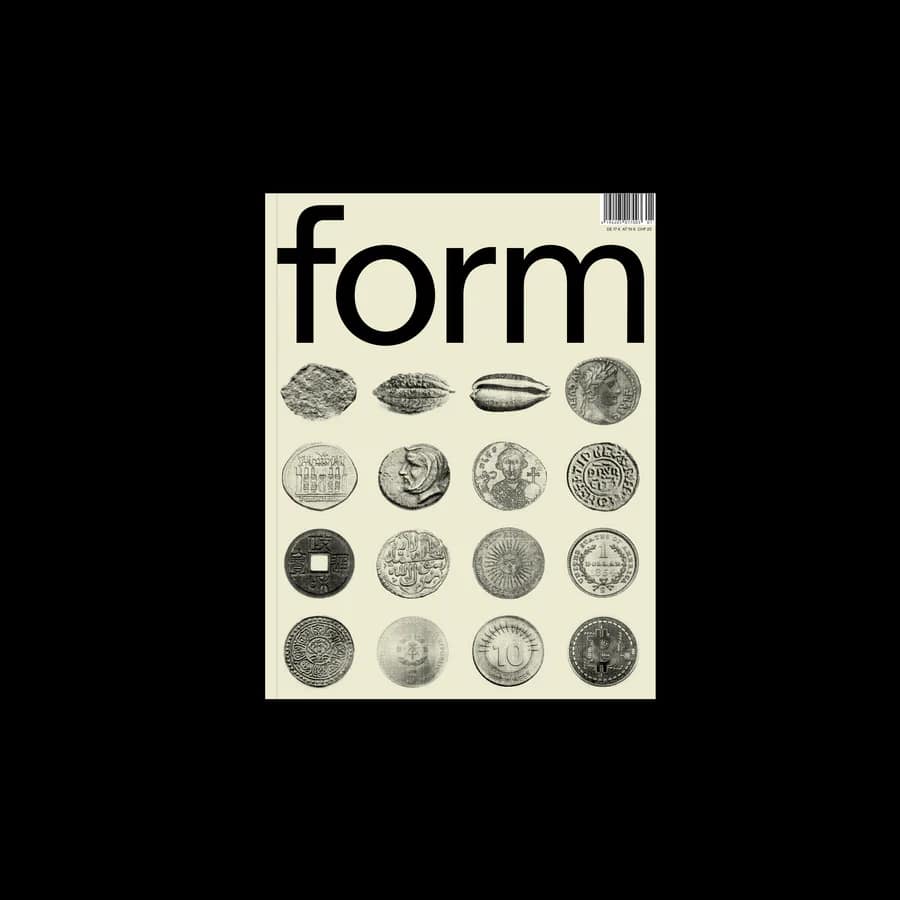
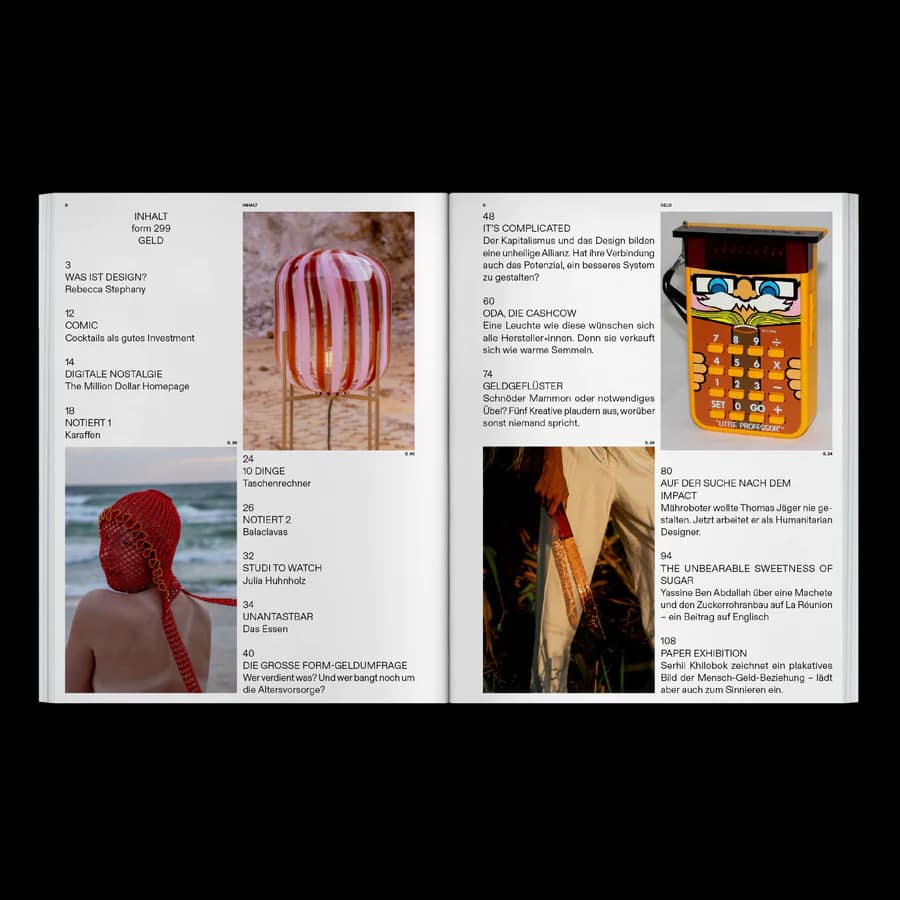
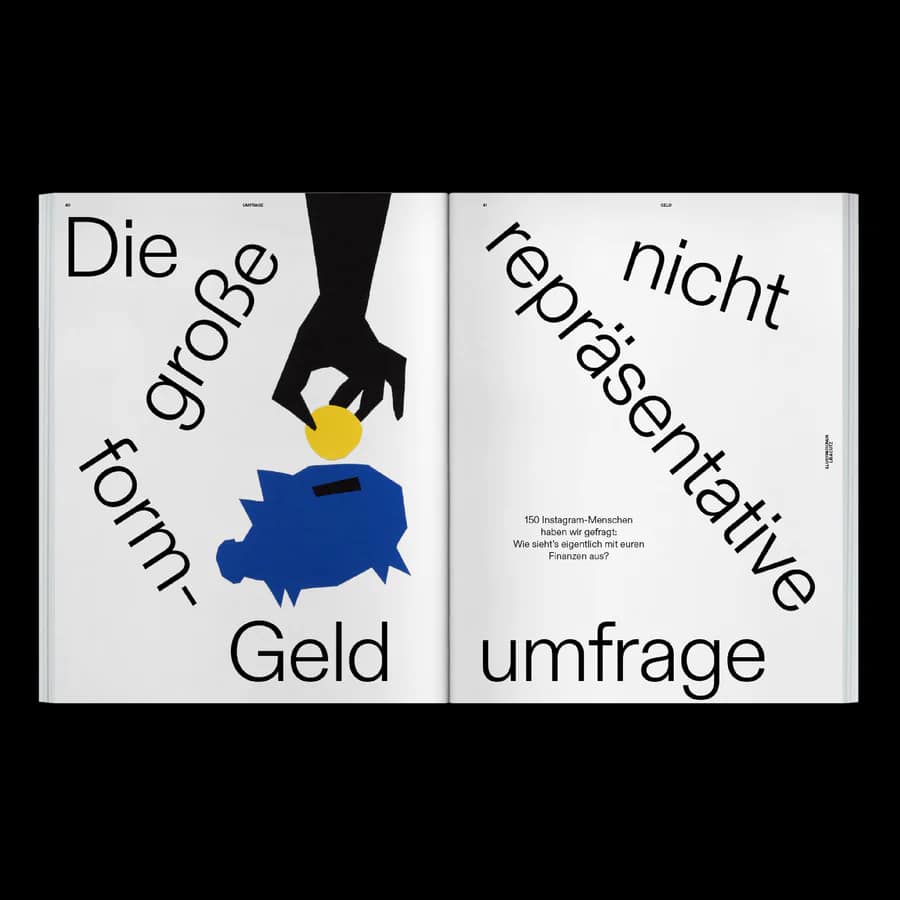
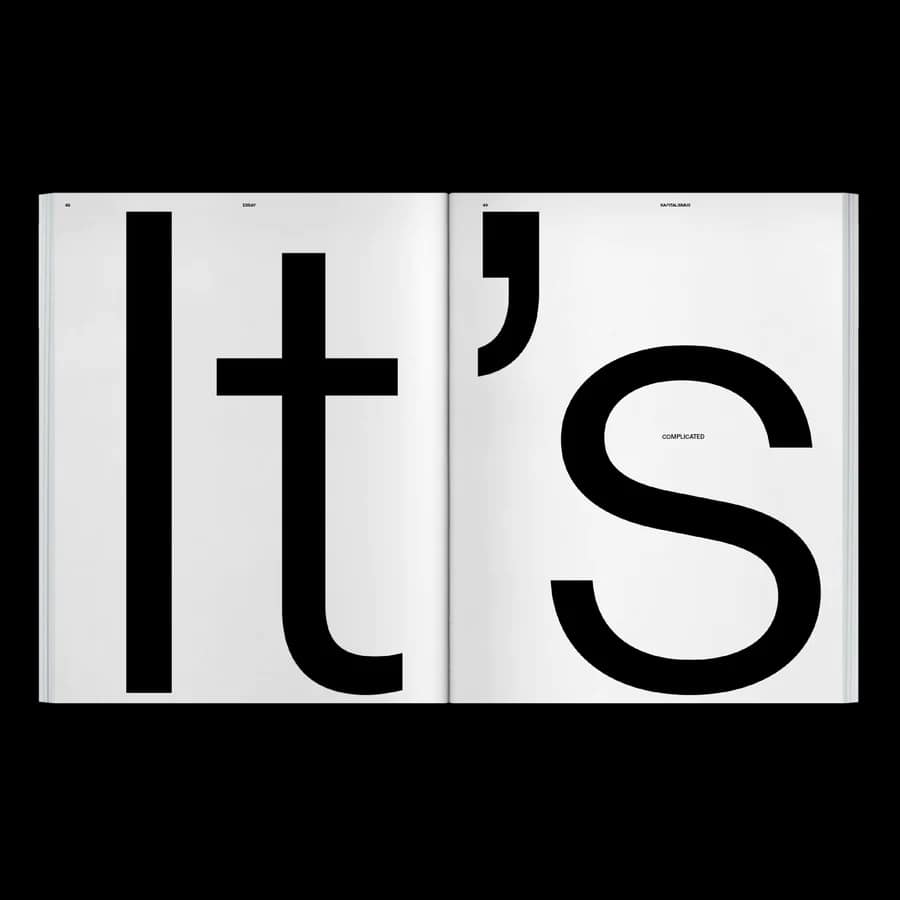
I’ve also been looking for inspiration online and found a magazine called ‘form.’ I really like their use of clear, minimal, but very bold typography paired with images and illustrations. It’s not overwhelming at all, yet it stays fun and interesting to look at. It’s a great example of how ‘basic’ elements can still feel really strong.
#5: eye
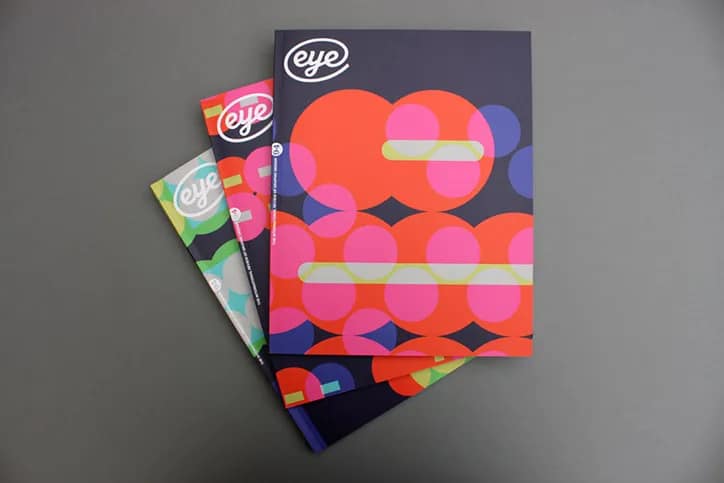
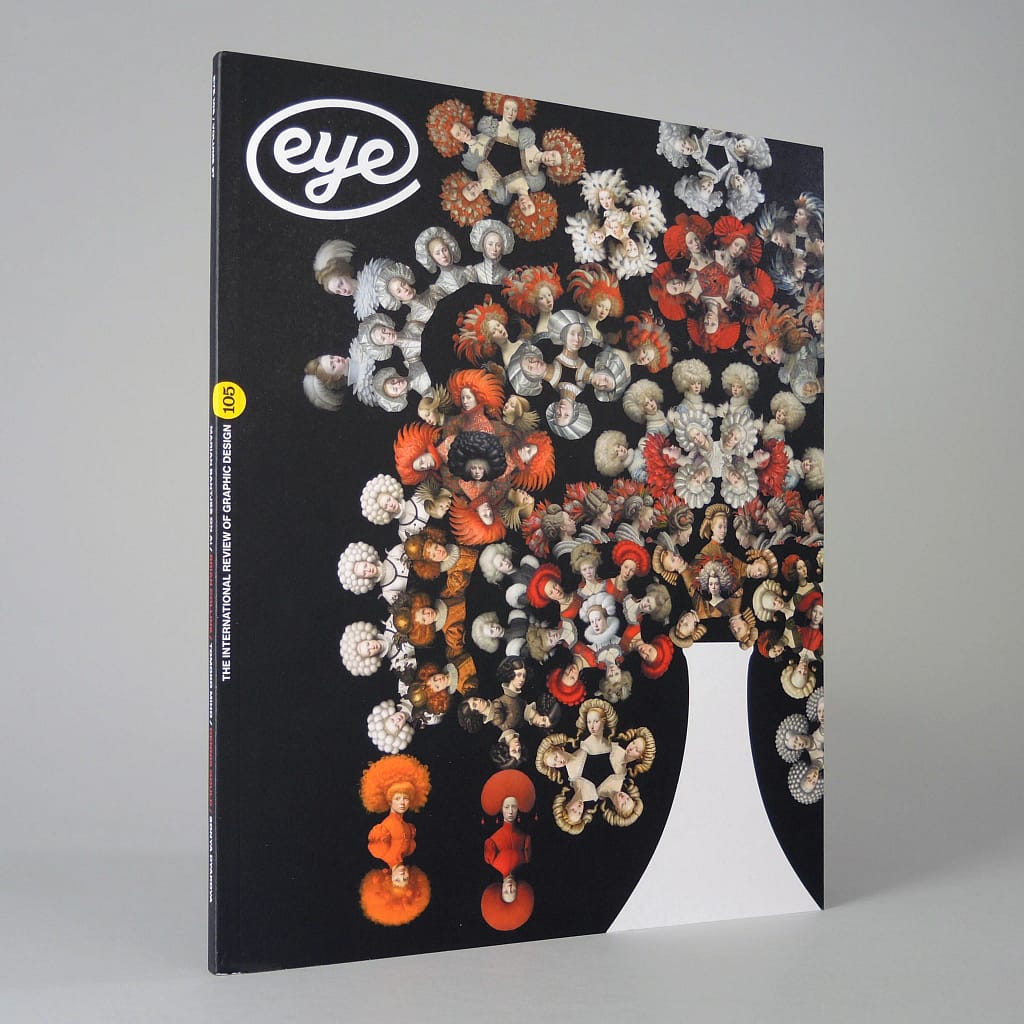
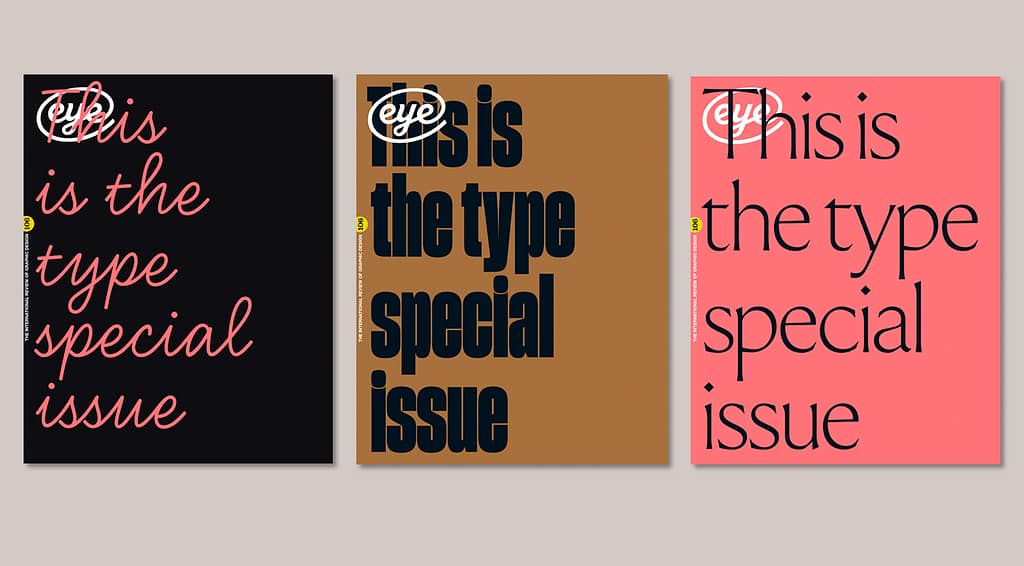
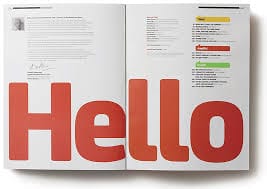
Then I found a magazine called ‘Eye’, which I was immediately attracted to because of its playfulness with color and shape.
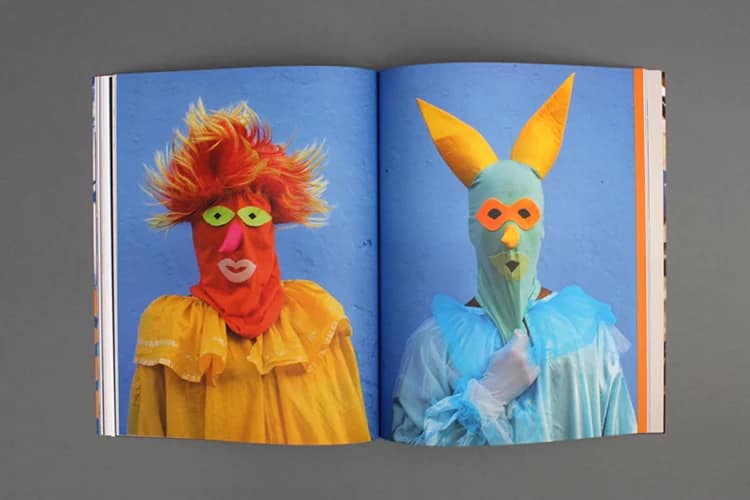
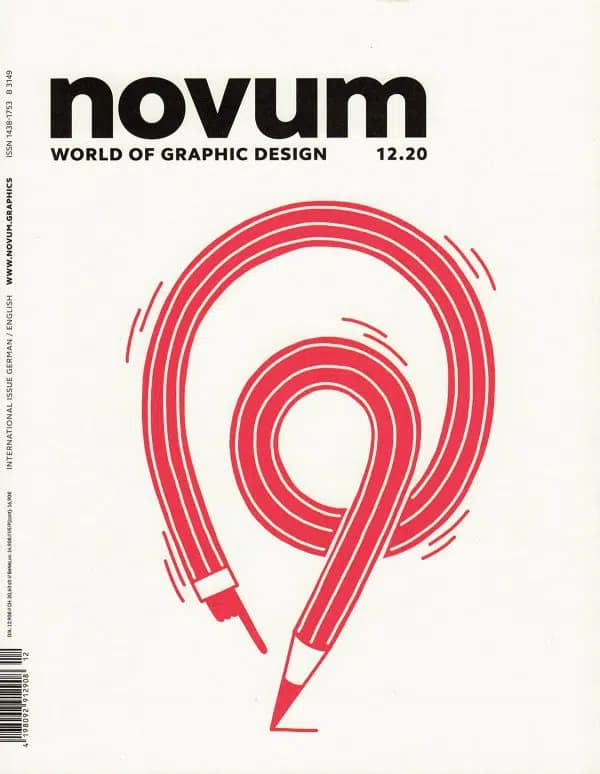
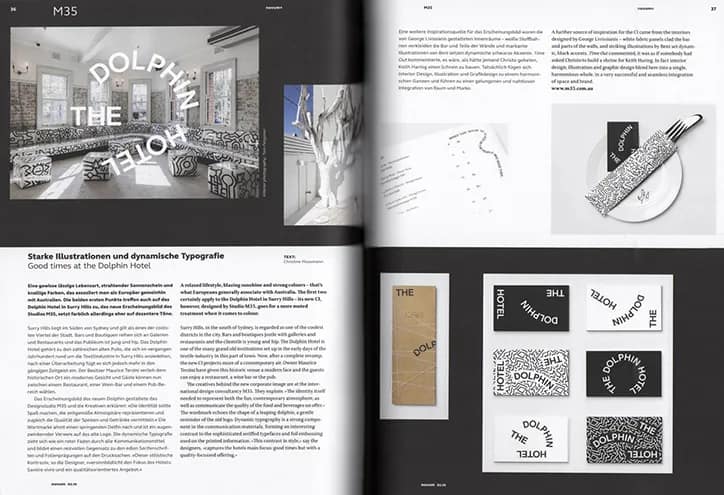
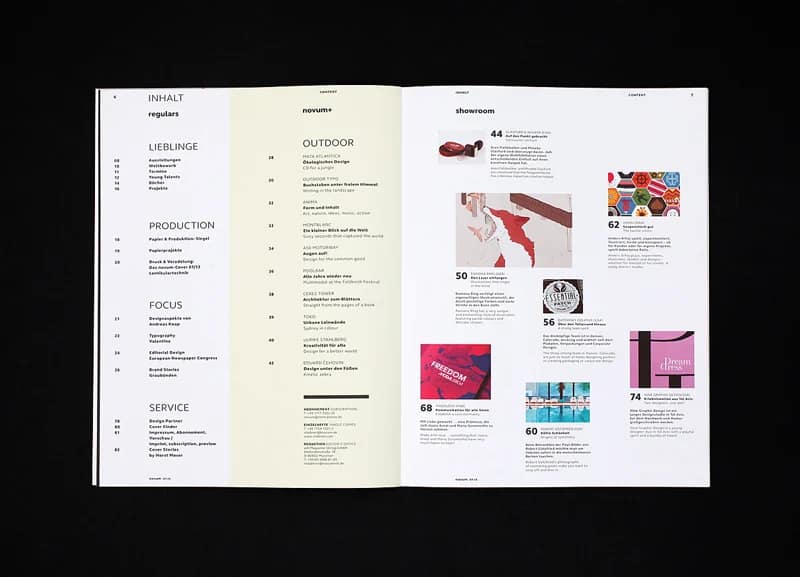
#6: novum
Lastly, I feel really found the graphic magazine ‘novum.’ I love their use of interesting grids and how they manage white space; the way they choose where to place elements on the page feels very well thought of. It’s not overwhelming at all, yet it stays fun and interesting to look at.